
Clay Therapy at Sophia College of Counselling
Reviewed by TFTANEWS Editorial Desk


Feature Review | Technology & Innovation | 2026 Overall Rating: ⭐⭐⭐⭐⭐ 4.8 / 5
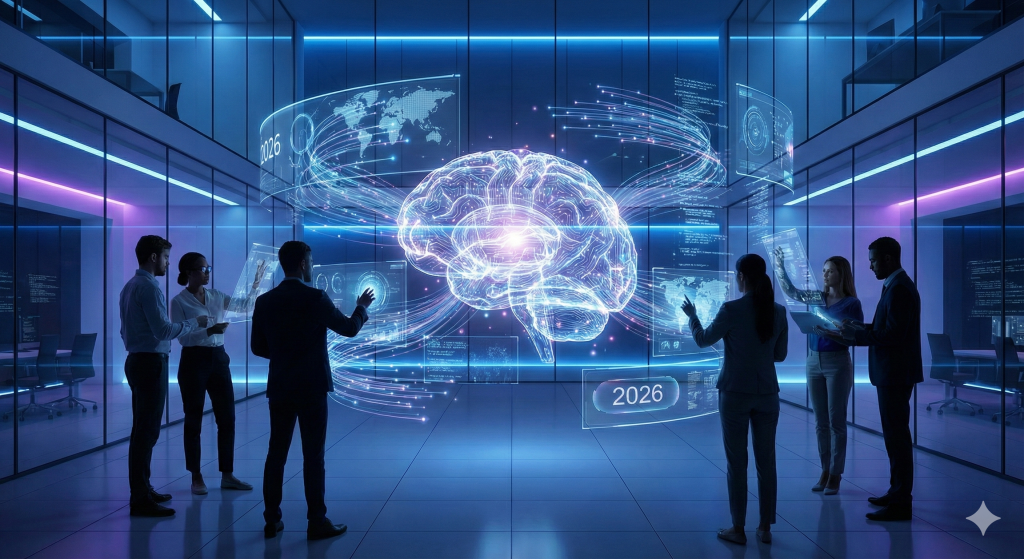
Artificial Intelligence (AI) has moved far beyond experimentation and novelty. In 2026, it stands as a central pillar of modern civilisation — shaping how we work, learn, heal, govern, create, and connect as global communities.
This feature review evaluates AI not only through its technical capabilities, but also through its social value, ethical responsibility, and long-term sustainability. The goal is simple: to understand how AI is redefining the human–technology relationship.
Table of contents [Show]
| Category | Rating |
|---|---|
| Innovation & Technology | ⭐⭐⭐⭐⭐ |
| Productivity & Efficiency | ⭐⭐⭐⭐⭐ |
| Business & Economy | ⭐⭐⭐⭐⭐ |
| Education & Learning | ⭐⭐⭐⭐⭐ |
| Creativity & Arts | ⭐⭐⭐⭐⭐ |
| Healthcare & Wellbeing | ⭐⭐⭐⭐⭐ |
| Accessibility & Inclusion | ⭐⭐⭐⭐☆ |
| Ethics & Governance | ⭐⭐⭐⭐☆ |
| Community & Social Impact | ⭐⭐⭐⭐⭐ |
Rating: ⭐⭐⭐⭐⭐ (5/5)
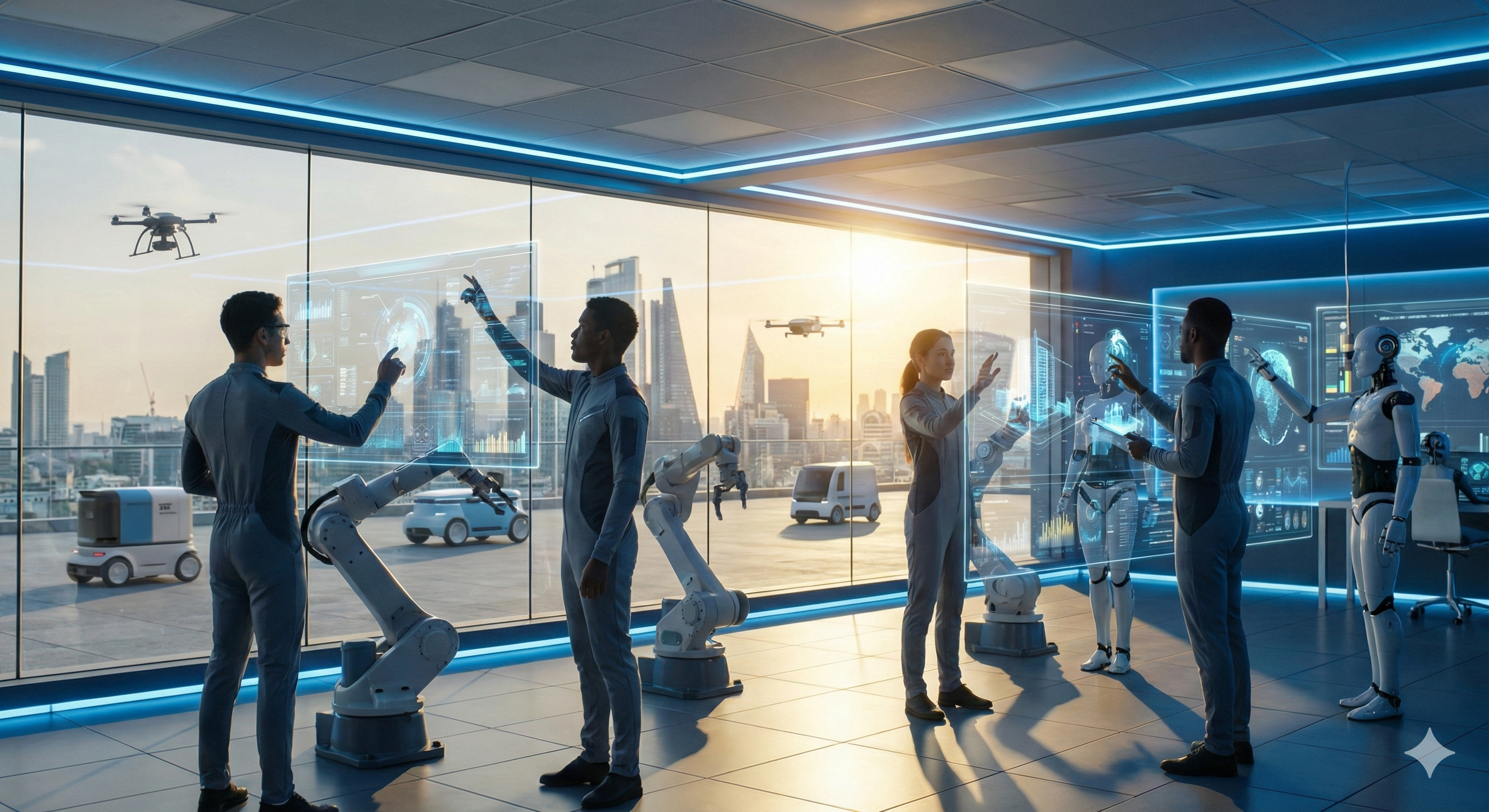
AI remains at the forefront of global innovation. From generative intelligence to predictive analytics, modern AI systems now perform complex cognitive tasks that once required entire departments of human specialists.
Continuous self-learning and model evolution
Advanced pattern recognition and forecasting
Real-time decision-support systems
Seamless integration with IoT, robotics, and cloud platforms
Editorial Insight:
AI is no longer a support tool — it has become an innovation engine.
Rating: ⭐⭐⭐⭐⭐ (5/5)
Across industries, AI is redefining efficiency. Automation of repetitive tasks allows human workers to focus on creativity, strategy, and problem-solving.
Faster turnaround times
Reduced human error
Intelligent task prioritisation
Cost-efficient scaling for organisations
Editorial Insight:
AI doesn’t replace effort — it redirects it toward higher-value human work.

Rating: ⭐⭐⭐⭐⭐ (5/5)
AI has become a competitive necessity. Startups, SMEs, and enterprises now rely on AI-driven insights for marketing, finance, customer engagement, and innovation.
Data-driven decision-making
Predictive market intelligence
Hyper-personalised customer experiences
Reduced entry barriers for small businesses
Editorial Insight:
AI is levelling the playing field while accelerating global economic growth.

Rating: ⭐⭐⭐⭐⭐ (5/5)
Education in 2026 looks radically different. AI enables adaptive learning environments that respond to individual pace, ability, and learning style.
Personalised learning pathways
Real-time feedback and academic support
Research assistance and content summarisation
Lifelong learning accessibility
Editorial Insight:
AI transforms education from rigid systems into responsive ecosystems.
Rating: ⭐⭐⭐⭐⭐ (5/5)
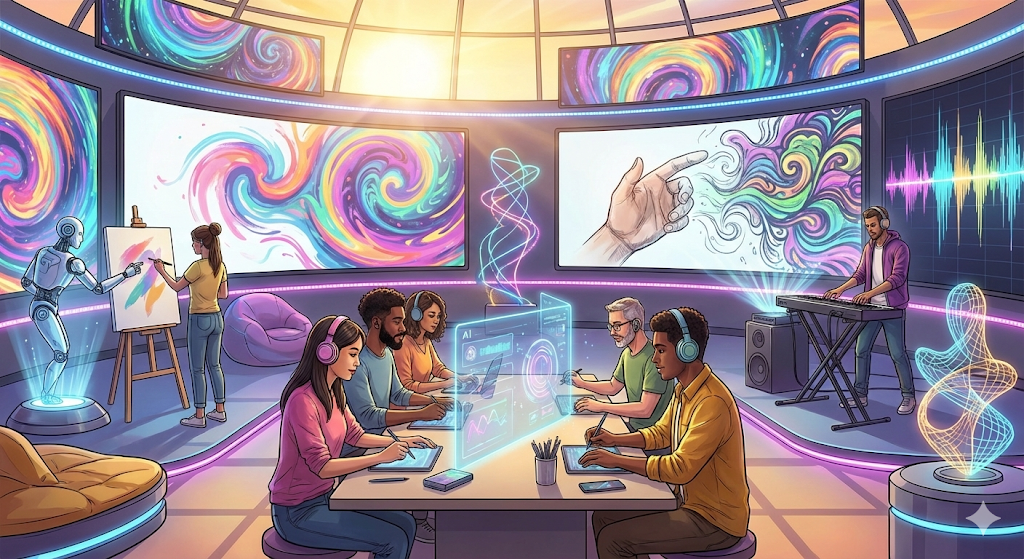
One of AI’s most unexpected breakthroughs lies in creativity. Rather than diminishing human expression, AI acts as a collaborative tool across artistic fields.
Music composition and sound design
Visual art and multimedia production
Writing, scripting, and storytelling tools
Emergence of hybrid human–AI art forms
Editorial Insight:
AI does not replace creativity — it amplifies imagination.

Rating: ⭐⭐⭐⭐⭐ (5/5)
AI is transforming healthcare through early diagnostics, treatment planning, and mental health support — particularly in regions with limited medical access.
Early disease detection
Mental health screening and support tools
Assistive technologies for aged and disability care
Data-driven treatment insights
Editorial Insight:
When ethically applied, AI has the power to save lives.
Rating: ⭐⭐⭐⭐☆ (4.5/5)
AI significantly enhances inclusion through assistive technologies such as speech recognition, real-time translation, and adaptive user interfaces.
Support for people with disabilities
Language and communication accessibility
Adaptive learning tools
Digital access inequality
Infrastructure and affordability gaps
Editorial Insight:
AI inclusion is powerful — but equity must remain the priority.
Rating: ⭐⭐⭐⭐☆ (4/5)
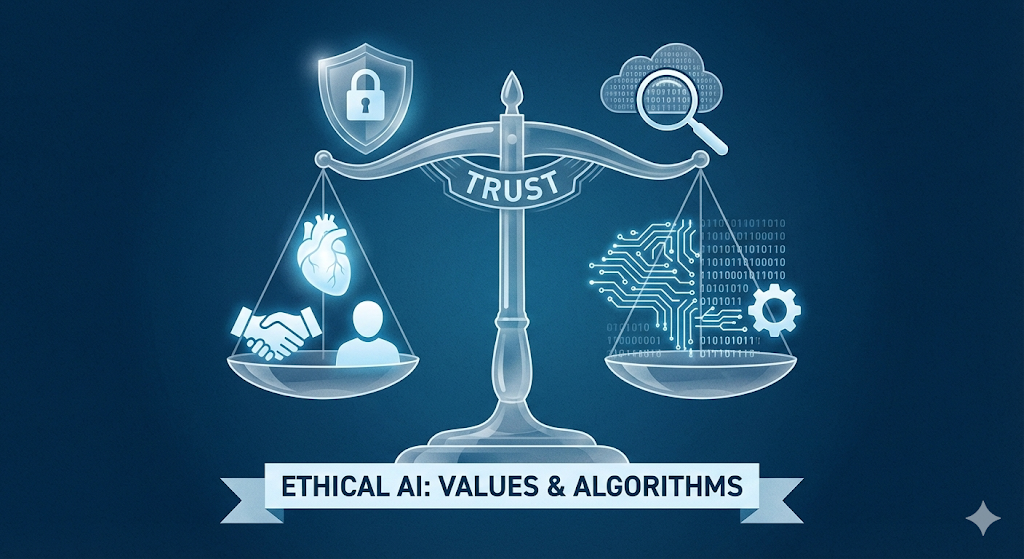
Ethical responsibility remains one of AI’s most complex challenges. As systems become more autonomous, transparency and accountability are critical.
Bias within training data
Data ownership and user consent
Explainability of automated decisions
Editorial Insight:
Responsible AI is not optional — it is essential.
Rating: ⭐⭐⭐⭐⭐ (5/5)
When co-designed with communities, AI supports wellbeing initiatives, participatory arts, education programs, and policy development.
Community education platforms
Mental health and wellbeing tools
Evidence-based policy planning
Grassroots innovation support
Editorial Insight:
AI works best when grounded in human and cultural values.
Artificial Intelligence in 2026 stands as one of humanity’s most powerful tools for progress. Its true strength lies not in automation alone, but in how ethically, inclusively, and thoughtfully it is applied.
⭐⭐⭐⭐⭐ 4.8 / 5
AI is not the future — it is the present.
Its success will not be measured by how intelligent machines become,
but by how wisely humans choose to use them.

Reviewed by TFTANEWS Editorial Desk
How technology, wellbeing, sustainability, and human-centred ideas are redefining Australian innovation By TFTAnews Editorial Team | 2026
TFTANEWS Featured Research Story Breaking the Silence: Laughter Percussion and the Future of Counseling Psychology By TFTANEWS Editorial Team Kalgoorlie, Western Australia | 2026






No comments yet. Start the conversation!