
Top 10 Bible Books — Ranked & Reviewed
A Literary, Spiritual & Cultural Review of Scripture’s Most Influential Texts By The Forward Times Australia – Faith, Literature & Thought Series


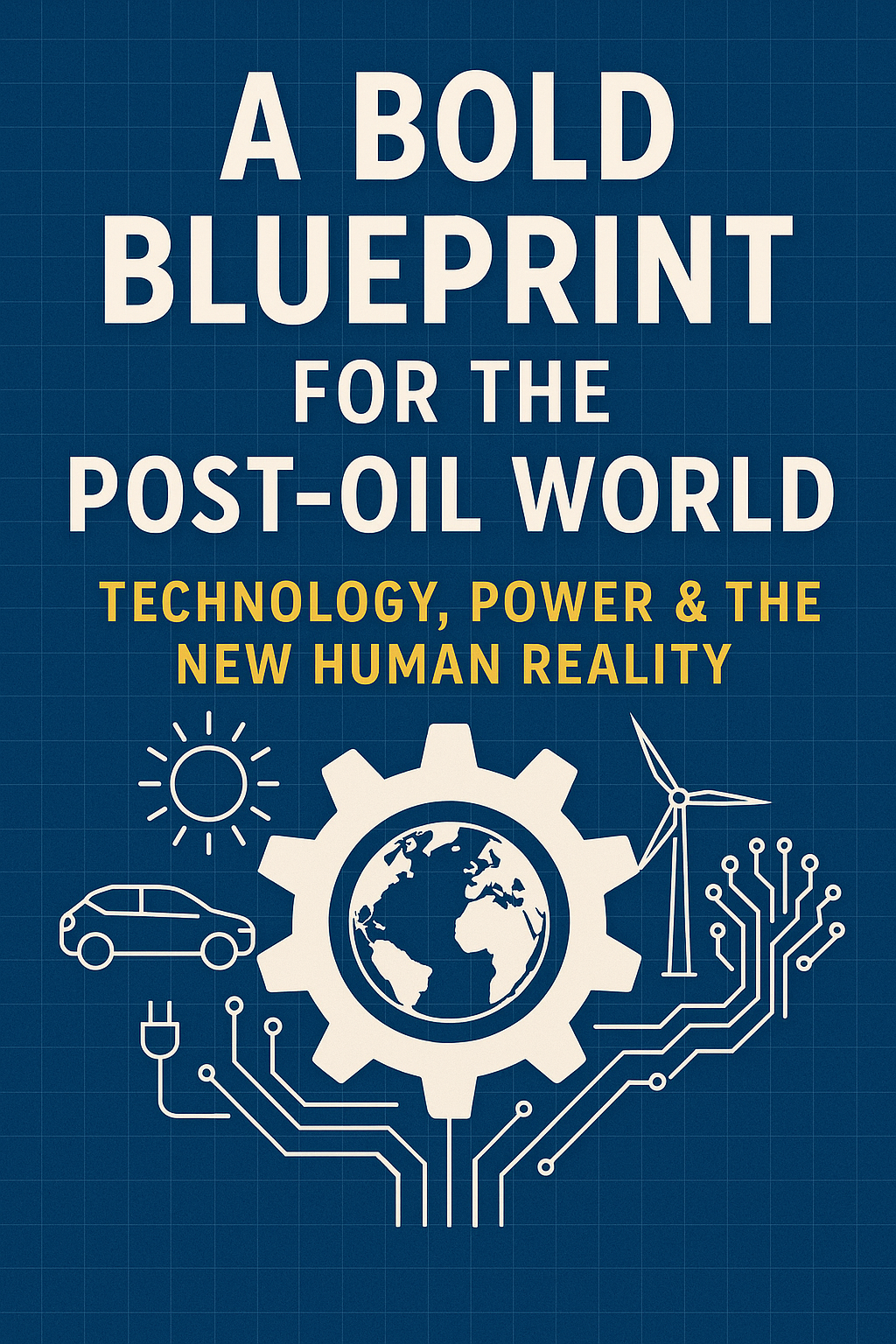
Why this prophetic book matters more today than ever before In a world racing toward automation, genetic optimisation, pervasive surveillance, and geopolitical cyber-warfare, few books manage to document technological transformation with such precision. What was once prediction now reads like lived reality.
This book is not just about the rise of machines or Silicon Valley—it’s a deep exploration of how humanity itself is being redesigned by the forces of power, economics, innovation, and ideology. As society stands at the crossroads of artificial intelligence, bioengineering, and political fragmentation, the work feels shockingly current.
Table of contents [Show]
Automation will reshape global labour—and unlike humans, machines don’t unionise, demand salaries, or need sleep.
Today’s AI boom reflects the very warning set out in this chapter: productivity without people.
The author tackles genetic engineering not with panic, but with a stark question:
What happens when humanity becomes a product that can be upgraded?
The moral, political, and economic consequences of gene-edited humans are no longer theory—they’re now policy debates across the globe.
A geopolitical deep dive tracing how Henry Kissinger embedded a worldview that still shapes Western foreign policy. A must-read for anyone trying to understand modern power structures.
A gripping historical analysis of tech-state relationships, revealing how corporate innovation gradually merged with national security interests.
This prediction now echoes the relationship between big tech, military contracts, and digital surveillance.
Privacy is becoming a relic.
This chapter’s foresight—government influence over the digital bloodstream—perfectly matches the era of metadata tracking, predictive policing, and algorithmic control.
War is no longer about tanks. It’s about satellites, jamming systems, interception, and cyber dominance. Using Israel’s neutralisation of Soviet missiles as a case study, the chapter lays out the tactics of tomorrow’s conflicts—today’s headlines.
A controversial diagnosis of academic elitism: brilliant abstractions without practical leadership. It challenges whether analytic thinking has replaced real-world competence in industry and governance.
Humans are terrified of technologies that expose their obsolescence. This chapter dissects the emotional resistance behind digital transformation—visible today in businesses that fear AI rather than embrace it.
A cultural anthropology of Silicon Valley—ambition, wealth, counterculture, and hubris. Long before Big Tech became the engine of the global economy, the book mapped its psychological DNA.
| Category | Rating |
|---|---|
| Predictive Accuracy | ⭐⭐⭐⭐⭐ (5/5) |
| Writing Style & Clarity | ⭐⭐⭐⭐ (4/5) |
| Depth of Research | ⭐⭐⭐⭐½ (4.5/5) |
| Relevance to Modern Society | ⭐⭐⭐⭐⭐ (5/5) |
| Overall Impact | ⭐⭐⭐⭐½ (4.5/5) |
This book is not just a warning. It is a blueprint for understanding the post-oil world, where digital power, biological design, and algorithmic governance redefine what it means to be human.
If you are a policymaker, futurist, academic, engineer, or simply someone trying to understand why the world feels unstable yet technologically unstoppable, this book is essential.
📌 TFTAnews Overall Rating: 4.5 / 5 — A provocative, necessary, future-shaping read.
A Literary, Spiritual & Cultural Review of Scripture’s Most Influential Texts By The Forward Times Australia – Faith, Literature & Thought Series
Forward Times Australia | Book Review Tongue: A Cognitive Hazard Author: Chase Hughes Original Review Insight: Steven Dean
Review by The Forward Times Australia (TFTAnews) Overall Rating: ⭐⭐⭐⭐½ (4.5/5)




No comments yet. Start the conversation!