
Capabilities, Impact, Ethics, and the Future of Human–Technology Collaboration
Feature Review | Technology & Innovation | 2026 Overall Rating: ⭐⭐⭐⭐⭐ 4.8 / 5


Reviewed by TFTANEWS Editorial Desk
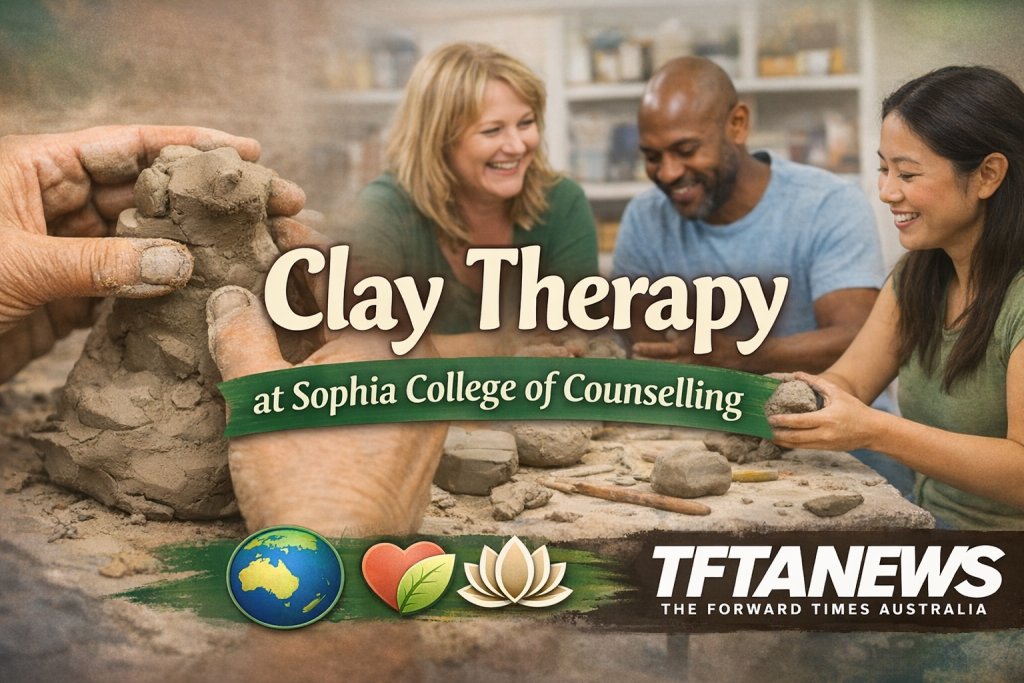
In an era where counselling increasingly embraces holistic and body-based approaches, Clay Therapy at Sophia College of Counselling emerges as a powerful, grounded, and inclusive expressive modality. Rooted in expressive arts therapy, clay work offers a tactile, non-verbal pathway to emotional expression—making it especially relevant for contemporary counselling practice.
Table of contents [Show]
⭐⭐⭐⭐⭐ 5/5
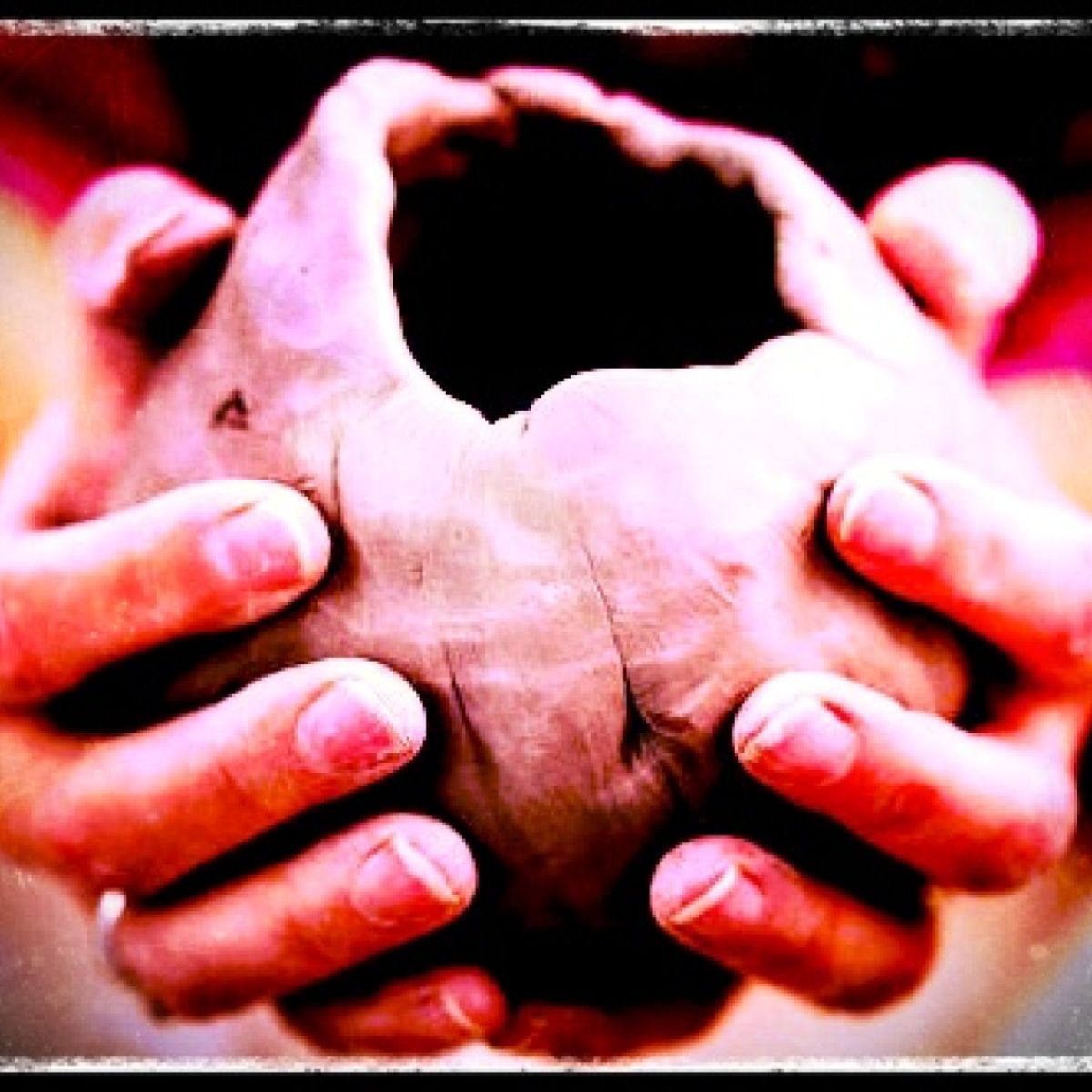
Clay therapy proves highly effective in supporting emotional expression, grounding, and self-regulation. Its non-verbal nature allows clients to externalise feelings that may be difficult—or impossible—to articulate through words alone. This makes it particularly impactful in trauma-informed counselling, where safety, pacing, and bodily awareness are essential. The simple act of shaping clay can foster presence, reduce emotional overwhelm, and encourage insight at a deeply embodied level.

⭐⭐⭐⭐⭐ 5/5
One of clay therapy’s greatest strengths is its accessibility. No artistic skill is required, removing barriers often associated with creative therapies. The modality translates seamlessly across age groups, abilities, and cultural backgrounds, making it suitable for a wide range of settings including counselling services, community programs, disability support, and aged care environments.

⭐⭐⭐⭐☆ 4.5/5
While clay therapy has long-standing roots within expressive arts and art therapy traditions, its structured and applied integration within counselling education at Sophia College ensures it remains relevant and practical. The approach bridges traditional therapeutic wisdom with modern holistic practice, offering counsellors tools that align with current understandings of mind–body connection.
⭐⭐⭐⭐⭐ 5/5
Training in clay therapy at Sophia College is delivered with clear real-world application in mind. Practitioners are equipped not just with theory, but with hands-on skills they can confidently transfer into clinical, community, and group settings. This emphasis on practice-readiness strengthens the modality’s value within professional counselling work.
⭐⭐⭐⭐☆ 4.5/5
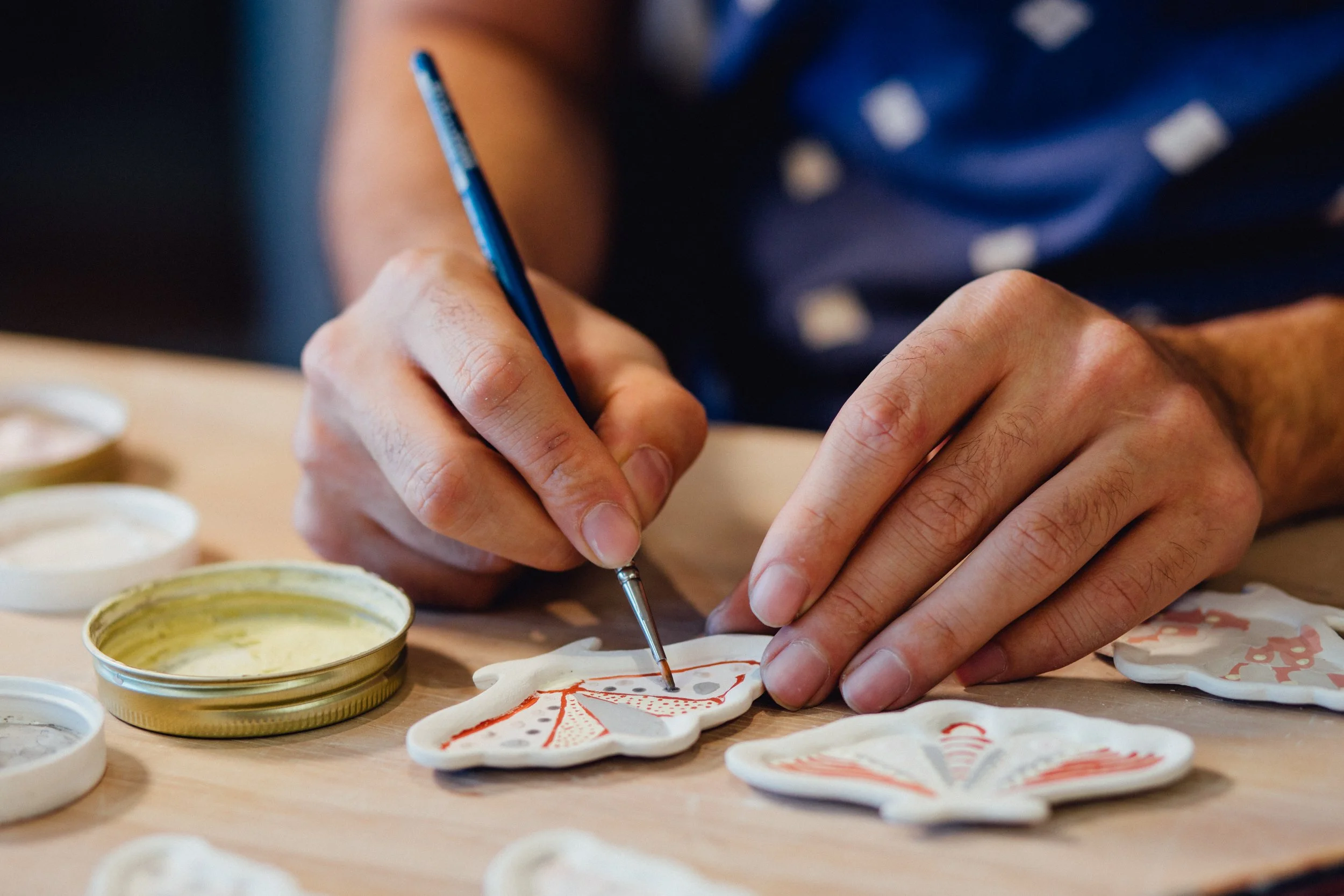
Clay therapy shows strong potential for enhancing community wellbeing, particularly in group and multicultural contexts. By encouraging shared creative exploration, it supports emotional safety, connection, and personal insight—key elements in fostering collective healing and resilience.
⭐⭐⭐⭐⭐ 4.8 / 5
Clay Therapy at Sophia College of Counselling stands out as a grounded, inclusive, and therapeutically sound expressive modality. TFTANEWS recognises it as a valuable tool for modern counselling practice, especially where holistic, body-based, and non-verbal approaches are needed. Its accessibility, strong training foundation, and community impact position clay therapy as an essential skill for today’s counsellors.

Feature Review | Technology & Innovation | 2026 Overall Rating: ⭐⭐⭐⭐⭐ 4.8 / 5
How technology, wellbeing, sustainability, and human-centred ideas are redefining Australian innovation By TFTAnews Editorial Team | 2026
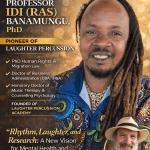
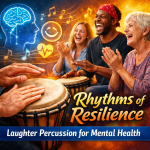
TFTANEWS Featured Research Story Breaking the Silence: Laughter Percussion and the Future of Counseling Psychology By TFTANEWS Editorial Team Kalgoorlie, Western Australia | 2026




No comments yet. Start the conversation!