


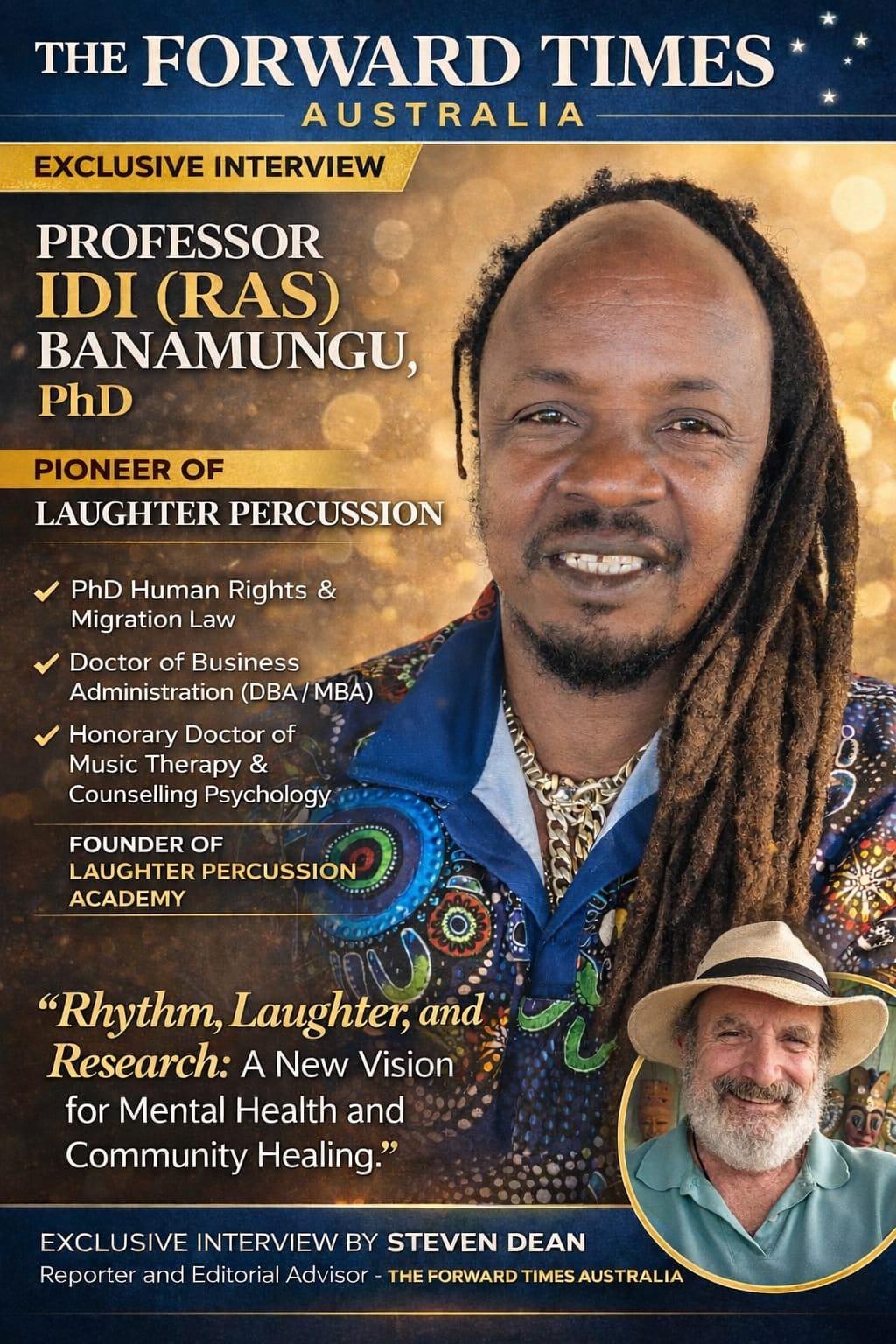
In an era where mental health challenges continue to affect communities worldwide, innovative approaches to healing and social connection are becoming increasingly important. In this exclusive feature interview, Steven Dean, Reporter and Editorial Advisor for The Forward Times Australia, speaks with Professor Idi (Ras) Banamungu, PhD, a respected researcher, educator, author, and innovator whose work uniquely bridges music therapy, counselling psychology, human rights, and community development.
Professor Banamungu is internationally recognised as the founder and developer of the Laughter Percussion Method, a rhythm-based therapeutic practice that combines laughter, music, psychology, and community participation to support emotional well-being and social connection. His work is supported by peer-reviewed research and academic publications, contributing to the growing global conversation around creative arts therapies and innovative mental health interventions.
Table of contents [Show]
Academic Profile
Professor Banamungu’s academic journey reflects a powerful interdisciplinary foundation that blends law, business leadership, psychology, and therapeutic arts. His qualifications include:
- PhD in Human Rights and Migration Law
Kennedy University of Baptist, City of Paris - Doctor of Business Administration (DBA / MBA)
International Business School of Scandinavia - Honorary Doctor of Music Therapy and Counselling Psychology
This diverse academic background allows him to approach mental health and community development from multiple perspectives—combining legal awareness, organisational leadership, psychological insight, and artistic expression.
Founder of Laughter Percussion Academy – Australia
Professor Banamungu is the founder of Laughter Percussion Academy Australia, an institution dedicated to exploring the therapeutic power of rhythm and laughter.
The academy focuses on several key areas:
- Therapeutic rhythm programs
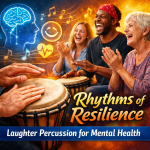
- Mental health support through music and laughter
- Community inclusion and disability participation
- Research and training in creative therapeutic practices
Programs developed by the academy have been delivered across Australia in a variety of settings including community organisations, schools, disability services, and multicultural community events.
From Community Practice to Academic Research
What began as a creative community engagement practice has evolved into a subject of academic research.
Professor Banamungu’s studies examine how rhythmic interaction combined with laughter can influence:
- Emotional regulation
- Anxiety and depression management
- Social connection and group cohesion
- Community participation and empowerment
His work contributes to the expanding field of participatory arts therapy, where artistic expression is used as a practical tool for improving mental health and strengthening communities.
Community Impact in Western Australia
Much of Professor Banamungu’s work has taken place in Western Australia, particularly within the Goldfields region, where he has facilitated programs that bring together people from diverse cultural backgrounds.
These sessions encourage:
- Cultural harmony and mutual respect
- Creativity and artistic expression
- Emotional resilience
- Inclusive participation for people with disabilities
Participants often describe the sessions as energetic, uplifting, and deeply connecting. Through rhythm and laughter, individuals from different backgrounds are able to share experiences and build a sense of community.
Beyond his practical work in community programs, Professor Banamungu is also an active author and academic contributor. His publications explore a wide range of subjects, including:
- Music therapy and healing practices
- Personal development and emotional well-being
- Mass communication and media influence
- Recognition of prior learning in education
- Counselling psychology and therapeutic innovation
His writing aims to bridge the gap between academic scholarship and practical application, making research insights accessible to both scholars and community practitioners.
A Vision for the Future
Looking ahead, Professor Banamungu envisions Laughter Percussion becoming a globally recognised therapeutic discipline that contributes meaningfully to mental health, education, and social inclusion.
By integrating science, rhythm, culture, and laughter, he hopes to inspire new approaches to healing that are both innovative and deeply human.
As communities around the world search for creative and inclusive mental health solutions, the Laughter Percussion Method stands as a powerful reminder that sometimes the most effective therapies begin with something simple—a shared rhythm and a genuine laugh.
Interview by:
Steven Dean
Reporter and Editorial Advisor
The Forward Times Australia





very good