
Clay Therapy at Sophia College of Counselling
Reviewed by TFTANEWS Editorial Desk


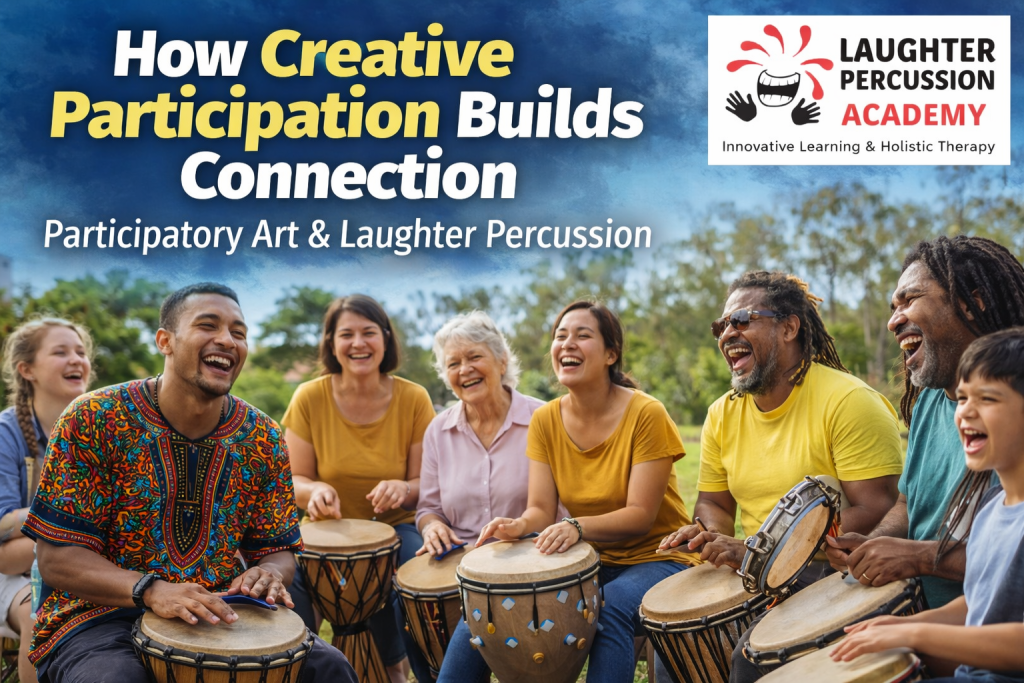
In a world increasingly shaped by screens, speed, and separation, communities are quietly searching for something deeply human: connection. Not digital engagement. Not passive entertainment. Real, felt togetherness. This is where participatory art steps in — and why practices like Laughter Percussion are gaining momentum across Australia and beyond.
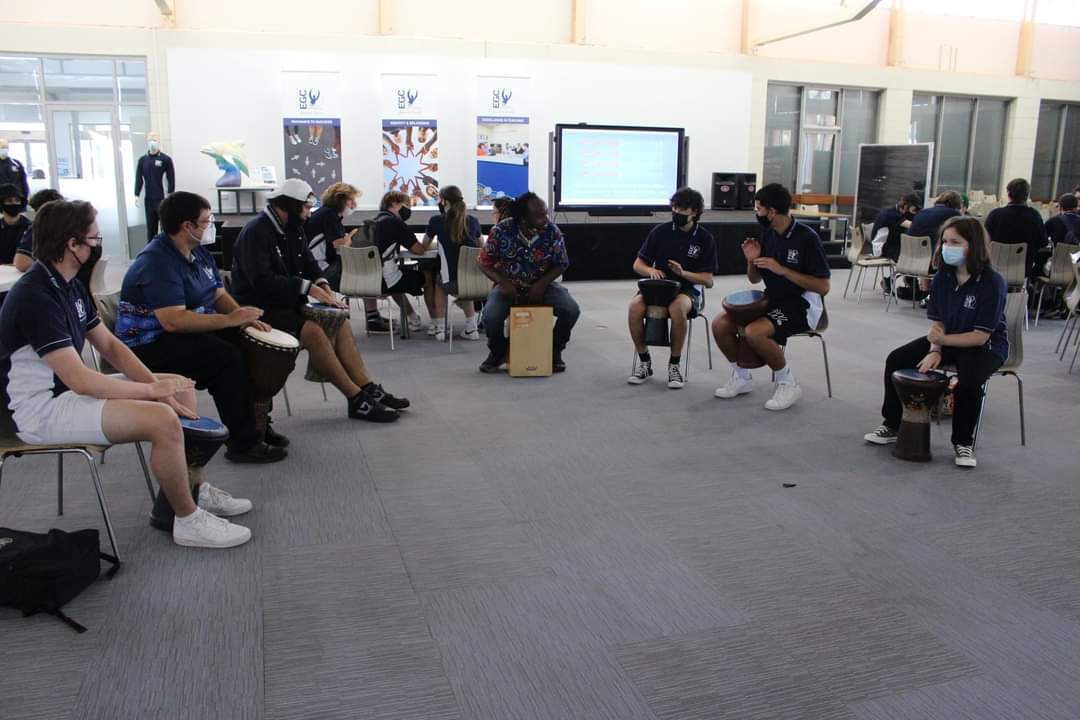
Table of contents [Show]
Participatory art is art with people, not for people.
It is a creative process where community members actively take part in shaping, creating, and experiencing art together. The value doesn’t live in a polished final performance — it lives in the process: collaboration, expression, shared meaning, and presence.
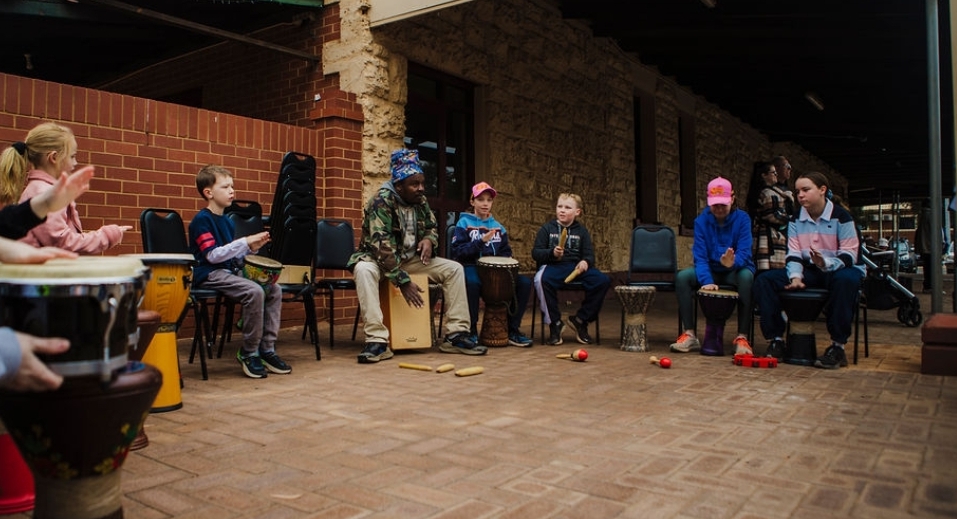
From drumming circles and storytelling sessions to murals, theatre, dance, and laughter-based practices, participatory art transforms everyday spaces — libraries, schools, nursing homes, parks — into places of belonging.
In an era marked by loneliness, mental health challenges, cultural fragmentation, and digital isolation, participatory art offers something rare and necessary: real connection.

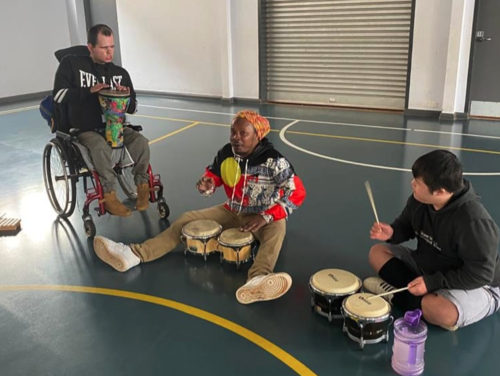
Participatory art reduces isolation by bringing people together around a shared creative purpose. It dissolves barriers of age, language, ability, and background.
People stop being clients, patients, or newcomers — and become co-creators.
This is especially powerful in:
Belonging doesn’t come from watching. It comes from doing — together.

Participatory art works on the body and mind simultaneously.
Rhythm, movement, voice, breath, and laughter help regulate the nervous system, reduce stress, and lift mood. Participants commonly report:
Unlike clinical settings, participatory art feels safe, non-judgmental, and human.

Participatory art is one of the strongest ways to preserve and share culture.
Through rhythm, dance, humour, language, and storytelling, knowledge is passed from elders to youth — and across communities. In Australia’s multicultural landscape, participatory art:
Culture stays alive when it is practised, not just observed.

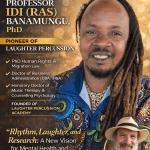
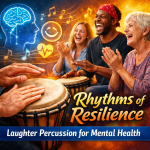
Laughter Percussion is a unique participatory art practice that combines:
What makes Laughter Percussion special is its radical accessibility.
No musical experience is required. Everyone already has the tools:
a body, a breath, and the ability to laugh.
It works beautifully in:
Within minutes, strangers become rhythm partners.
Despite its impact, participatory art often struggles due to:
Most people hesitate because they’re unsure. Effective invitations say:
Participation grows faster when connected with:

Participatory art is not a luxury.
It is community infrastructure — just like parks, libraries, and sports facilities.
Communities that invest in creative participation experience:
Laughter Percussion represents this future: low-cost, high-impact, culturally adaptable, and deeply human.

“When people laugh and create together, they stop being strangers.
Participatory art turns communities into families.”
— Ras Banamungu
Participatory art keeps communities human.
It keeps culture breathing.
It keeps people connected.
And with practices like Laughter Percussion, participatory art is not only alive —
it is growing, healing, and leading the way forward.
Reviewed by TFTANEWS Editorial Desk
Feature Review | Technology & Innovation | 2026 Overall Rating: ⭐⭐⭐⭐⭐ 4.8 / 5
How technology, wellbeing, sustainability, and human-centred ideas are redefining Australian innovation By TFTAnews Editorial Team | 2026




No comments yet. Start the conversation!